What Does Facial Harmony Actually Mean?
TWhen people hear the term facial harmony, it can sometimes sound like it's about achieving a particular look or changing the proportions of the face.
That's not how I view it.
Facial harmony is about how your individual facial features relate to one another and how those relationships contribute to the overall appearance of your face.
Your forehead, eyes, nose, cheeks, lips, chin and jawline all form part of the same facial structure. They aren't considered completely separately when looking at the face as a whole.
"Facial harmony isn't about making every feature the same. It's about understanding how your features naturally work together."
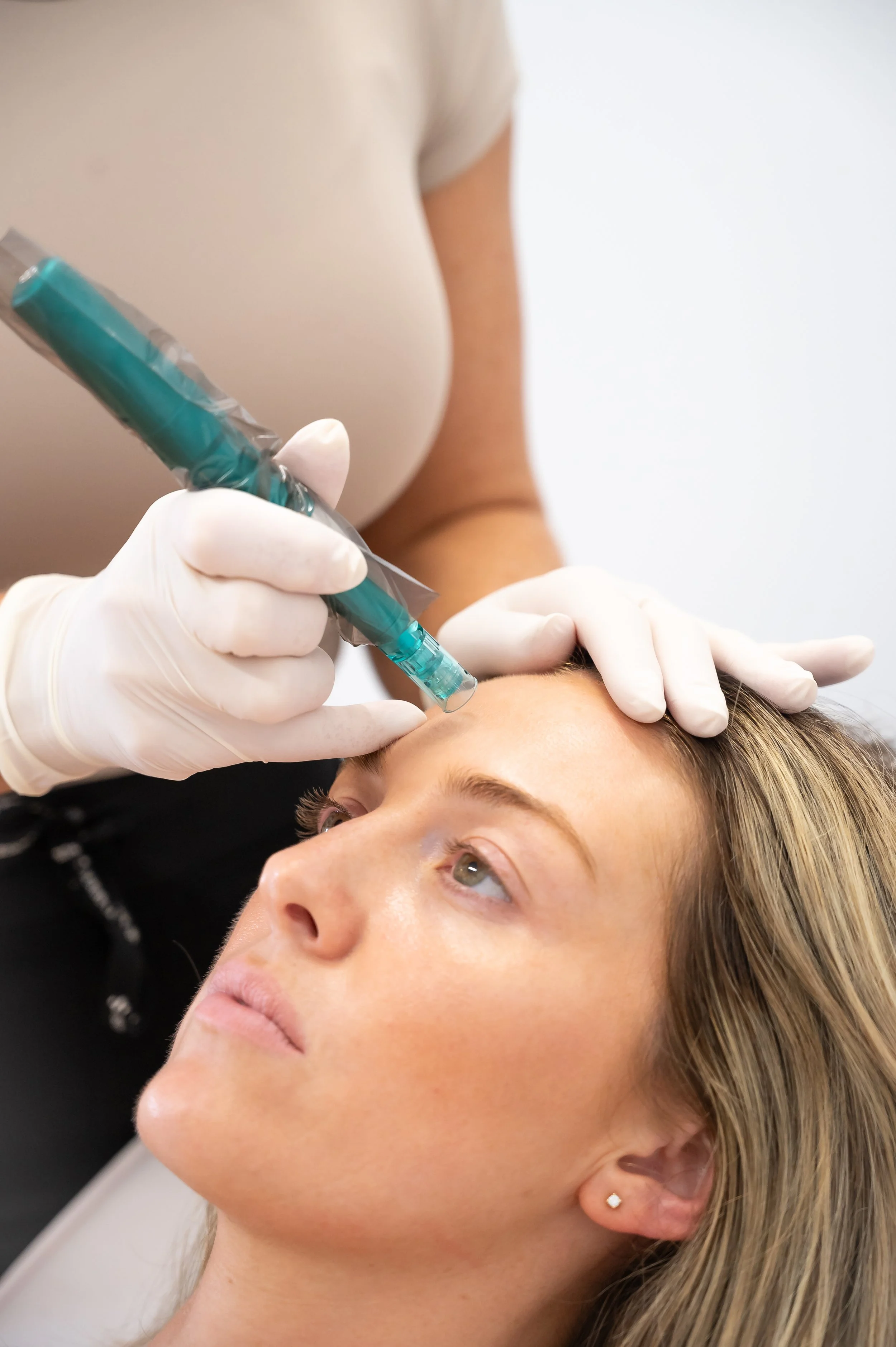
This is particularly relevant when considering non-surgical facial aesthetics in Brisbane, where treatment planning should be based on the individual rather than a standard idea of facial proportions.
What Is Facial Harmony?
Facial harmony refers to the visual relationship between different facial features.
It doesn't mean that every feature needs to be perfectly symmetrical, nor does it mean that there is one ideal facial shape or proportion that everyone should aim for.
Instead, facial harmony considers how features such as the:
Forehead
Eyes
Nose
Cheeks
Lips
Chin
Jawline
relate to one another.
Because everyone's facial structure is different, what appears balanced on one person may look completely different on another.
This is why facial harmony isn't about creating a particular template. It's about understanding the individual features that make your face uniquely yours.
Why Facial Balance Matters in Aesthetic Treatment Planning
It's very easy to focus on one feature of your face.
Perhaps you've noticed a change around your cheeks, become more aware of your jawline, or feel that your lips look different from how you remember them.
When we focus closely on one area, it's natural to assume that the area itself is the problem.
But sometimes, what you're noticing may be influenced by the relationship between that feature and the surrounding areas.
This doesn't mean that the surrounding areas need to be treated.
It simply means that looking at the face as a whole can provide more context before deciding whether any treatment may be appropriate.
"Instead of asking only, 'What should I treat?', it can be more helpful to ask, 'What am I actually noticing?'"
That small shift can change the way we approach an aesthetic consultation.
Facial Harmony Is Different for Everyone
There isn't one definition of a harmonious face that applies to everyone.
Genetics, natural anatomy, facial structure, age, lifestyle and individual characteristics all contribute to the way someone's features relate to one another.
This is also why copying another person's aesthetic treatment plan isn't necessarily appropriate.
You may have similar concerns to someone you know, but your facial structure, medical history, treatment suitability and goals may be completely different.
A personalised aesthetic assessment takes those individual differences into consideration before discussing treatment options.
How Facial Changes Can Affect Overall Appearance
Our facial features naturally change over time.
Ageing can involve gradual changes in collagen, skin quality, facial volume and structural support. These changes don't necessarily happen at the same rate or in the same areas for everyone.
As a result, you may notice a change in one area without immediately recognising how other features have changed alongside it.
For example, a change around the cheeks may alter how you perceive another area of the face. A change in one part of the lower face may also influence how the overall facial structure appears.
This doesn't mean that every visible change requires treatment.
It simply highlights why understanding the bigger picture can be useful when discussing non-surgical facial aesthetics.
Does Facial Harmony Mean Treating Multiple Areas?
Not necessarily.
This is an important distinction.
Looking at facial harmony doesn't mean that more treatments are required or that every facial feature needs to be addressed.
In some cases, an assessment may indicate that a particular area doesn't require treatment at all.
The purpose of considering facial balance is to understand the relationship between your features and determine what, if anything, may be appropriate for your individual concerns.
"A personalised treatment plan isn't about treating every area. It's about understanding which options may be appropriate for you."
This is why treatment planning should never be based simply on a checklist of areas to address.
The Role of a Personalised Aesthetic Consultation
If you're considering non-surgical aesthetics in Brisbane, you don't need to arrive at your consultation knowing exactly which treatment you want.
You may have a specific concern.
You may simply feel that something has changed but aren't sure how to describe it.
Or perhaps you've seen a treatment online and want to understand whether it may be relevant to you.
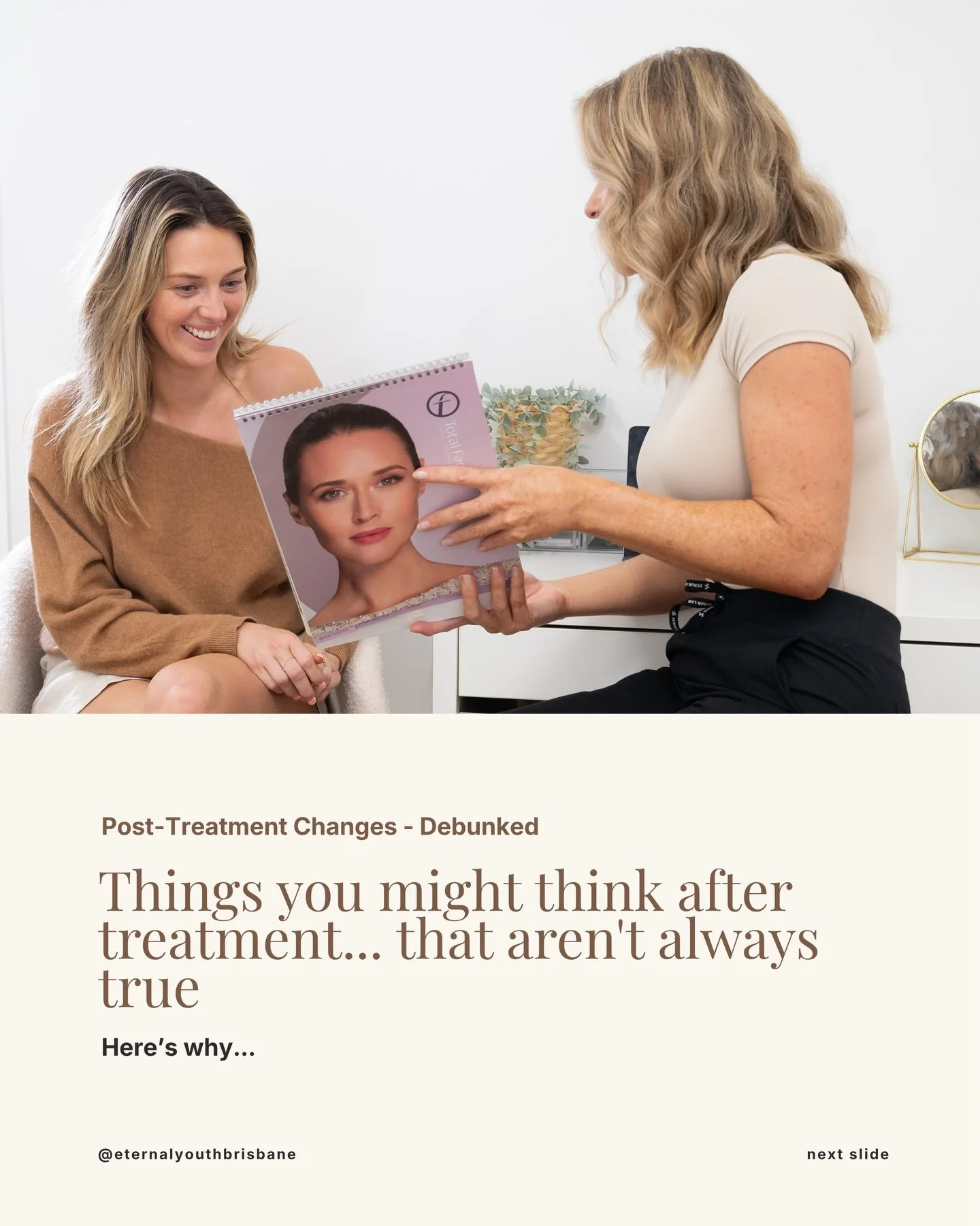
A consultation provides an opportunity to discuss those concerns and look at the bigger picture.
At Eternal Youth, this includes considering your facial structure, individual concerns, medical history, suitability and personal goals before discussing what may be appropriate.
Sometimes treatment may be suitable.
Sometimes another approach may be more appropriate.
And sometimes, no treatment may be recommended.
The purpose of the consultation is to provide information and personalised guidance so you can make an informed decision.
Facial Harmony Isn't About Perfection
It's important to remember that facial harmony isn't a measurement of perfection.
Faces are naturally individual.
Small differences between features are part of what makes each person's appearance unique, and aesthetic care doesn't need to be about removing those differences.
A personalised approach should respect your natural facial structure rather than trying to recreate someone else's features or follow a universal idea of what a face should look like.
"The aim isn't to create someone else's features. It's to understand and respect your own."
Final Thoughts on Facial Harmony
Facial harmony is ultimately about the relationship between your facial features, rather than creating identical proportions or following a particular aesthetic formula.
When considering facial aesthetics in Brisbane, looking at the face as a whole can help shift the conversation away from simply asking:
"What should I treat?"
and towards:
"What am I actually noticing?"
That distinction matters.
Because thoughtful aesthetic care starts with understanding the individual, not simply identifying a treatment.
If you've noticed changes in your appearance and aren't sure where to begin, a personalised aesthetic consultation in Brisbane can provide an opportunity to explore your concerns and discuss what may be appropriate for you.
Follow our socials
〰️
Follow our socials 〰️