Why Informed Consent Matters in Aesthetic Treatments
When you're considering an aesthetic treatment, it's natural to focus on what the treatment involves and what you may hope to achieve.
But there's another part of the process that is just as important: understanding what you're agreeing to before treatment begins.
This is where informed consent comes in.
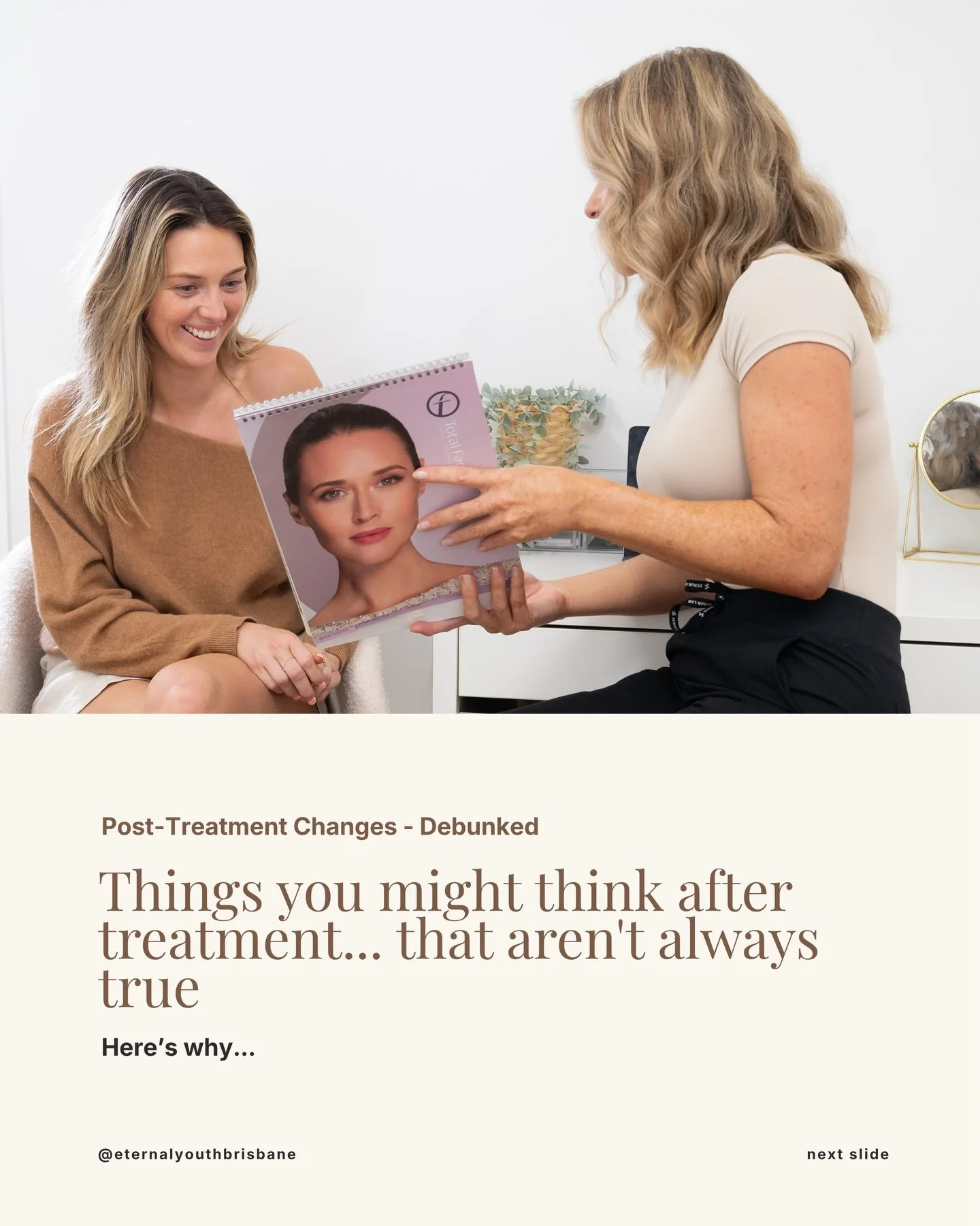
Informed consent isn't simply signing a form before your appointment. It's about having a meaningful opportunity to understand the proposed treatment, ask questions, discuss potential risks and side effects, and consider whether the treatment is right for you.
"Consent should be informed, voluntary and based on an understanding of what you're agreeing to."
What Does Informed Consent Mean?
Informed consent means you should receive appropriate information about a proposed treatment before making a decision.
Depending on the treatment and your individual circumstances, this may include discussing:
What the treatment involves
Why it has been recommended
Potential risks and side effects
What you may experience afterwards
Expected recovery or aftercare
Alternative treatment options
The option of choosing not to proceed
Any factors that may affect your suitability
The purpose isn't to overwhelm you with information.
It's to make sure you have enough relevant information to make a decision that is appropriate for you.
Why Is Informed Consent Important for Aesthetic Treatments?
Aesthetic treatments are still clinical procedures, even when they are non-surgical.
That means they should be approached with the same consideration for suitability, safety, potential risks and individual circumstances as any other clinical treatment.
It can sometimes be easy to think differently about aesthetic procedures because they are often discussed casually online or presented as quick treatments.
But social media doesn't provide the same personalised assessment that takes place during a clinical consultation.
Your medical history, current medications, allergies, previous treatments and individual circumstances can all be relevant when determining whether a treatment may be suitable.
"A treatment being popular doesn't automatically make it appropriate for everyone."
This is one of the reasons informed consent and individual assessment are such important parts of aesthetic care.
Understanding the Potential Risks and Side Effects
No clinical treatment is completely without risk.
Before proceeding, you should have the opportunity to understand the potential risks and side effects associated with the treatment being considered.
The information will vary depending on the procedure.
Some treatments may involve temporary redness, swelling, sensitivity or other expected effects during recovery. Other procedures may have different risks that need to be discussed before treatment.
Your practitioner should explain the relevant information for the treatment being considered and give you the opportunity to ask questions.
Understanding potential risks doesn't mean that something will necessarily go wrong.
It means you are making your decision with a clearer understanding of what the treatment involves.
You Should Have the Opportunity to Ask Questions
You don't need to know everything about an aesthetic treatment before your appointment.
In fact, asking questions is an important part of the consultation process.
You may want to ask:
"Why has this treatment been recommended?"
"What are the potential side effects?"
"What should I expect afterwards?"
"Are there alternatives?"
"What happens if I decide not to proceed?"
These are all reasonable questions.
A good consultation should give you the opportunity to discuss anything you're unsure about before making a decision.
"There is no such thing as a silly question when it comes to your treatment and your care."
Informed Consent Means You Can Make Your Own Decision
Another important part of informed consent is that the decision should be yours.
You should have the opportunity to consider the information provided and decide whether you want to proceed.
You shouldn't feel that you have to agree to treatment because you've already booked a consultation, because you've seen a promotion, or because someone else has recommended the same procedure.
You can ask for more information.
You can take time to think about your options.
And you can choose not to proceed.
"A consultation should give you clarity, not pressure."
This is particularly important in aesthetic medicine, where treatments are generally elective rather than something you have to undergo immediately.
Your Treatment Plan Should Be Individualised
Informed consent is closely connected to personalised treatment planning.
Before recommending an aesthetic treatment, it's important to consider the individual rather than simply the treatment itself.
At Eternal Youth Brisbane, this means taking the time to understand your concerns, medical history, goals and individual circumstances.
A treatment that may be appropriate for one person may not necessarily be suitable for another.
Similarly, there may be more than one approach to consider, or treatment may not be recommended at all.
The purpose of a consultation is to explore these considerations before you make your decision.
Consent Isn't a One-Time Conversation
Informed consent isn't necessarily something that happens once and is then forgotten.
If your treatment plan changes, if a different procedure is being considered, or if new information becomes relevant, there may be a need to revisit the discussion.
You should have the opportunity to understand what is being proposed and ask questions before proceeding.
This is part of maintaining clear communication throughout your aesthetic treatment journey.
What Happens If You Change Your Mind?
You are allowed to change your mind.
Even after discussing a treatment, you may decide that you aren't ready to proceed or that you'd like more time to consider your options.
That's okay.
Making an informed decision doesn't mean deciding immediately.
Sometimes, the most appropriate next step is to take the information away, think about it and return with any additional questions.
At Eternal Youth Brisbane, we believe there should be no pressure to make a decision simply because you've attended a consultation.
Choosing an Aesthetic Clinic in Brisbane
When considering non-surgical aesthetics in Brisbane, it's worth looking beyond the treatment itself.
Consider whether the clinic takes the time to discuss your individual circumstances, explains relevant risks and side effects, answers your questions and provides clear information before treatment.
A consultation should be a two-way conversation.
You should feel comfortable asking questions and have enough information to make a decision that feels appropriate for you.
"Good aesthetic care isn't simply about the treatment. It's also about how you're informed, supported and cared for throughout the process."
Final Thoughts
Informed consent is an important part of responsible aesthetic care.
It gives you the opportunity to understand what a treatment involves, consider potential risks and side effects, discuss alternatives, ask questions and make your own decision about whether to proceed.
Non-surgical doesn't mean non-clinical.
Aesthetic treatments should still be approached thoughtfully, with appropriate assessment, clear communication and respect for your individual circumstances.
At Eternal Youth Brisbane, we believe good aesthetic care starts with understanding.
Before deciding whether a treatment is right for you, you should have the information you need to make an informed choice.
Because the most important part of any aesthetic treatment isn't simply deciding what to do.
It's understanding why you're doing it, what it involves, and feeling comfortable with the decision you've made.

Follow our socials
〰️
Follow our socials 〰️