Can Skin Needling Support Collagen Production? A Clinical Perspective
Collagen is a key structural protein within the skin, playing an important role in maintaining strength, elasticity, and overall skin integrity.
As we move through our late 20s, 30s, and beyond, collagen production gradually declines. This natural process may influence how the skin feels, how it sits, and how overall skin quality changes over time.
Because of this, many individuals begin exploring treatment options that may support the skin’s natural regenerative processes.
One treatment often considered in this space is skin needling, also known as collagen induction therapy.
Understanding Skin Needling
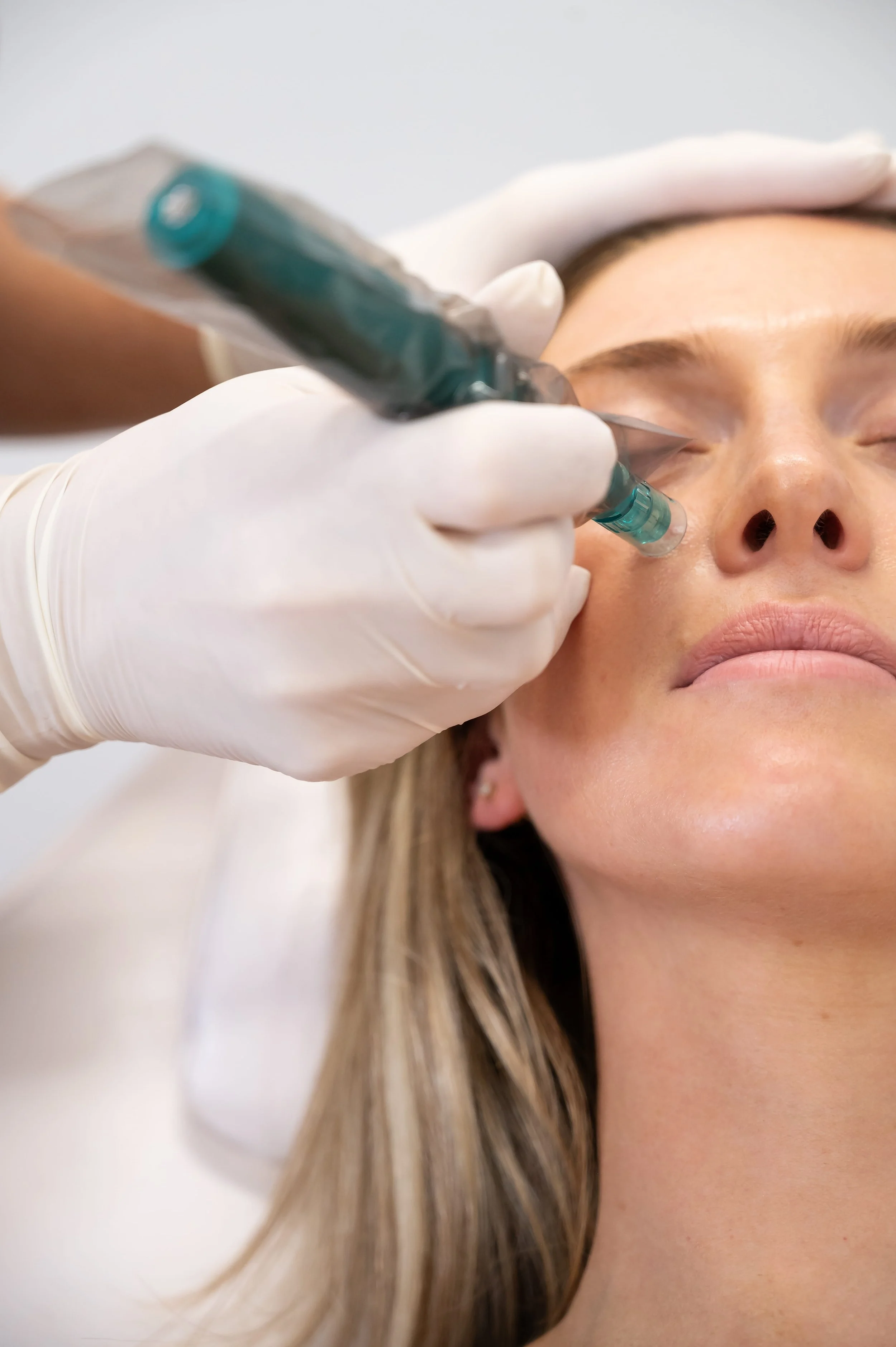
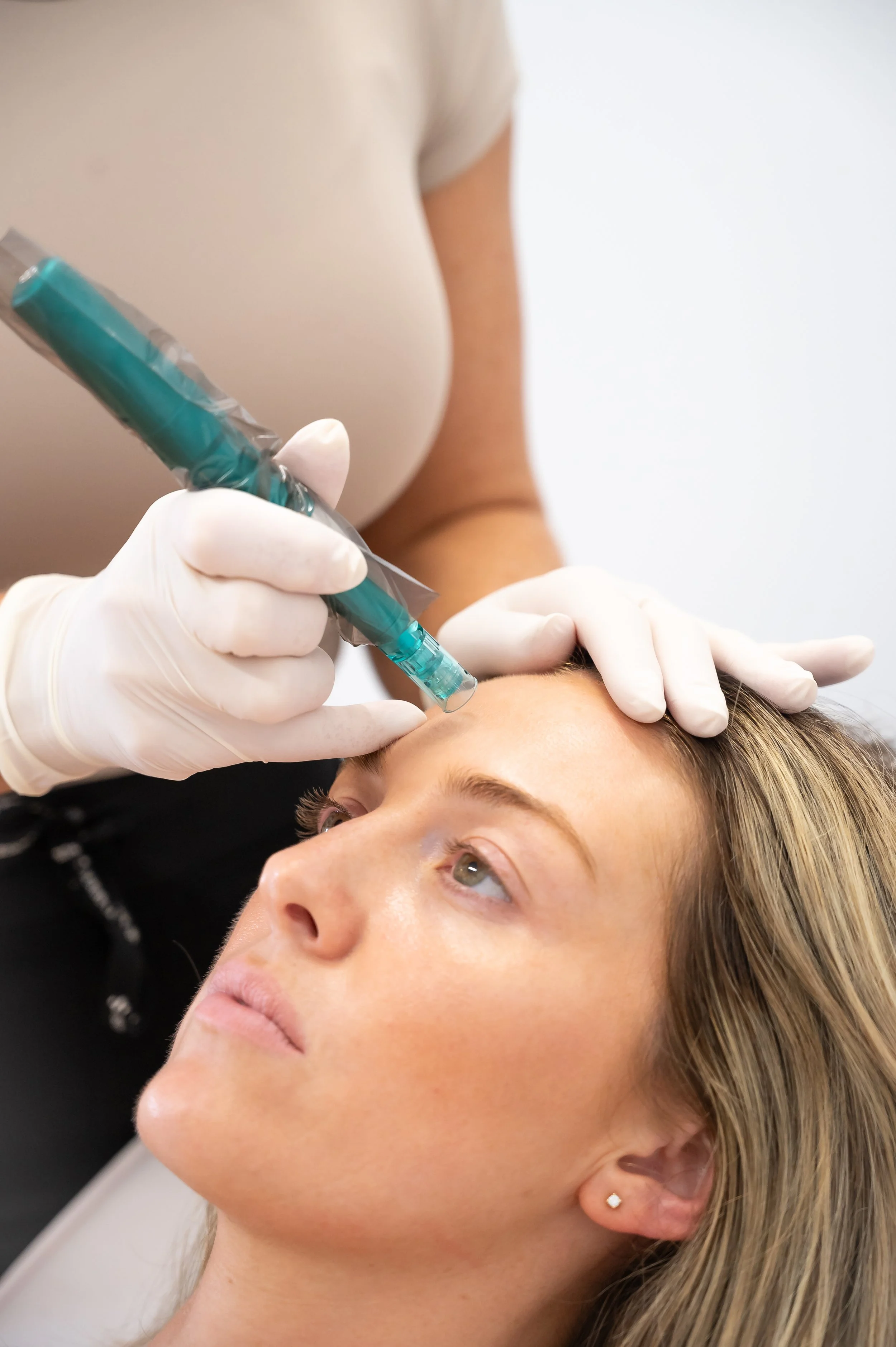
Skin needling is a minimally invasive treatment designed to create controlled micro-channels within the skin.
These micro-channels may stimulate the body’s natural wound healing response. As part of this process, the skin may begin to produce collagen and elastin over time.
Rather than targeting only the surface, this approach focuses on supporting the skin’s internal structure, which may contribute to improvements in overall skin quality.
What Does Research Suggest?
Some clinical research has explored how skin needling may support collagen production over time.
A commonly referenced paper titled
“Minimally Invasive Percutaneous Collagen Induction” by Desmond Fernandes examines how controlled micro-injury to the skin may stimulate collagen and elastin production.
The study outlines how a series of treatments performed over time was associated with an increase in collagen and elastin levels, particularly when sessions were spaced consistently.
It also explains that this process works by activating the body’s natural wound healing response, encouraging the formation of new collagen fibres while maintaining the integrity of the skin’s surface.
Importantly, this approach differs from more aggressive resurfacing methods, as it supports collagen production without removing the outer layer of the skin.
As with any treatment, individual responses may vary, and outcomes are influenced by factors such as skin condition, treatment consistency, and overall skin health.
How the Process Develops Over Time
Collagen production is not immediate.
Following a skin needling session, the body begins a natural repair process, which may lead to gradual collagen formation over several weeks.
Research and clinical observation suggest that collagen activity may peak around 4 to 6 weeks, with continued development over time.
This is why skin needling is often approached as part of a structured treatment plan, rather than a single session.
What Changes May Be Observed
With a consistent and personalised approach, some individuals may notice:
Improvements in overall skin texture
A more refined appearance
Softening in the appearance of fine lines
Skin feeling firmer or more supported
These changes are typically gradual and vary depending on individual factors.
A Considered, Clinical Approach
While treatments such as skin needling may support collagen production, they are not universally suitable for everyone.
In clinic, a consultation is an essential first step.
👉 (Hint: Link this directly to your booking or consultation page)
During this time, I assess:
Skin quality and condition
Facial structure and support
Individual concerns and treatment goals
Medical history to ensure safety and suitability
This allows for a personalised treatment plan based on clinical assessment, rather than trends or assumptions.
It also provides an opportunity to discuss what may not be necessary, ensuring a balanced and appropriate approach.
A Case-Based Perspective
Many clients present with concerns such as skin feeling thinner, less firm, or not sitting the way it once did.
These changes are often influenced by a combination of factors, including:
Collagen decline
Structural changes
Variations in skin quality over time
In some cases, supporting collagen production may form part of the treatment plan.
However, this is always guided by individual assessment and clinical judgement, rather than a one-size-fits-all approach.
Final Thoughts
Skin needling is one of several treatment options that may support the skin’s natural regenerative processes.
However, the most important step is understanding what is happening within the skin and determining what approach may be appropriate for you.
Because in non-surgical aesthetics, outcomes are not defined by the treatment alone.
They are shaped by assessment, planning, and a personalised approach.
Disclaimer : This information is general in nature and is intended for educational purposes only. Individual suitability and outcomes may vary. A personalised consultation is required to determine what treatments, if any, are appropriate for you.

Follow our socials
〰️
Follow our socials 〰️